English
 繁体中文
繁体中文 简体中文
简体中文 Deutsch
Product
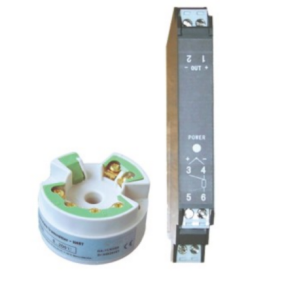
Binary Isolated Temperature Transmitter
- Product details
-
Overview: A multi-purpose temperature transmitter with excellent stability and high system accuracy, intrinsically safe design for Ex occasions. Available in integrated mounting type and rail mounting type.
Features: Two-wire standard; High stability and high accuracy; Presettable sensor fault signal; Online configuration, switchable input type, range and other parameters; Electrical isolation between input and output
Customization Note: This temperature transmitter needs to be customized according to requirements. Please contact us for more information and a dedicated product catalog.
related products
Product Inquiry
Please leave your message, we will contact you quickly after receiving it, thank you for your support!
Q
What is a thermocouple?
A
Thermocouples are the preferred solution for extreme temperature applications. They consist of two dissimilar metal wires joined at the measuring end, generating a voltage proportional to the temperature difference.
Working Principle: When two different metals are connected, the thermoelectric effect produces a voltage at the junction. This voltage increases with rising temperature, allowing measurement via reference tables.
Key Advantages:
• Temperature Range: -270°C to 2300°C (depending on type)
• Fast Response Time (typically 0.1–10 seconds)
• Robust Construction, vibration-resistant
• Relatively Low Cost
• No External Power Required
Q
What is the difference between RTD and thermocouple?
A
• RTD (Resistance Temperature Detector): Based on the principle that a metal conductor's resistance increases with temperature, it converts resistance measurements into temperature readings.
• Thermocouple: Operates on the Seebeck effect, where two dissimilar metals in contact generate a thermoelectric voltage proportional to temperature differences.
Features
• RTD: High accuracy, stable signal, excellent linearity, ideal for low to medium temperatures.
• Thermocouple: Simple structure, fast response, high-temperature resistance, wide measurement range.
Pros & Cons
• RTD Pros: High precision, strong anti-interference, reliable low-temperature performance.
Cons: Limited upper temperature range, bulkier size, slightly slower response.
• Thermocouple Pros: Broad temperature range, high-temperature tolerance, rapid response, suitable for moving/surface measurements.
Cons: Lower accuracy at low temperatures, requires cold junction compensation, weaker signal prone to interference.