English
 繁体中文
繁体中文 简体中文
简体中文 Deutsch
Product
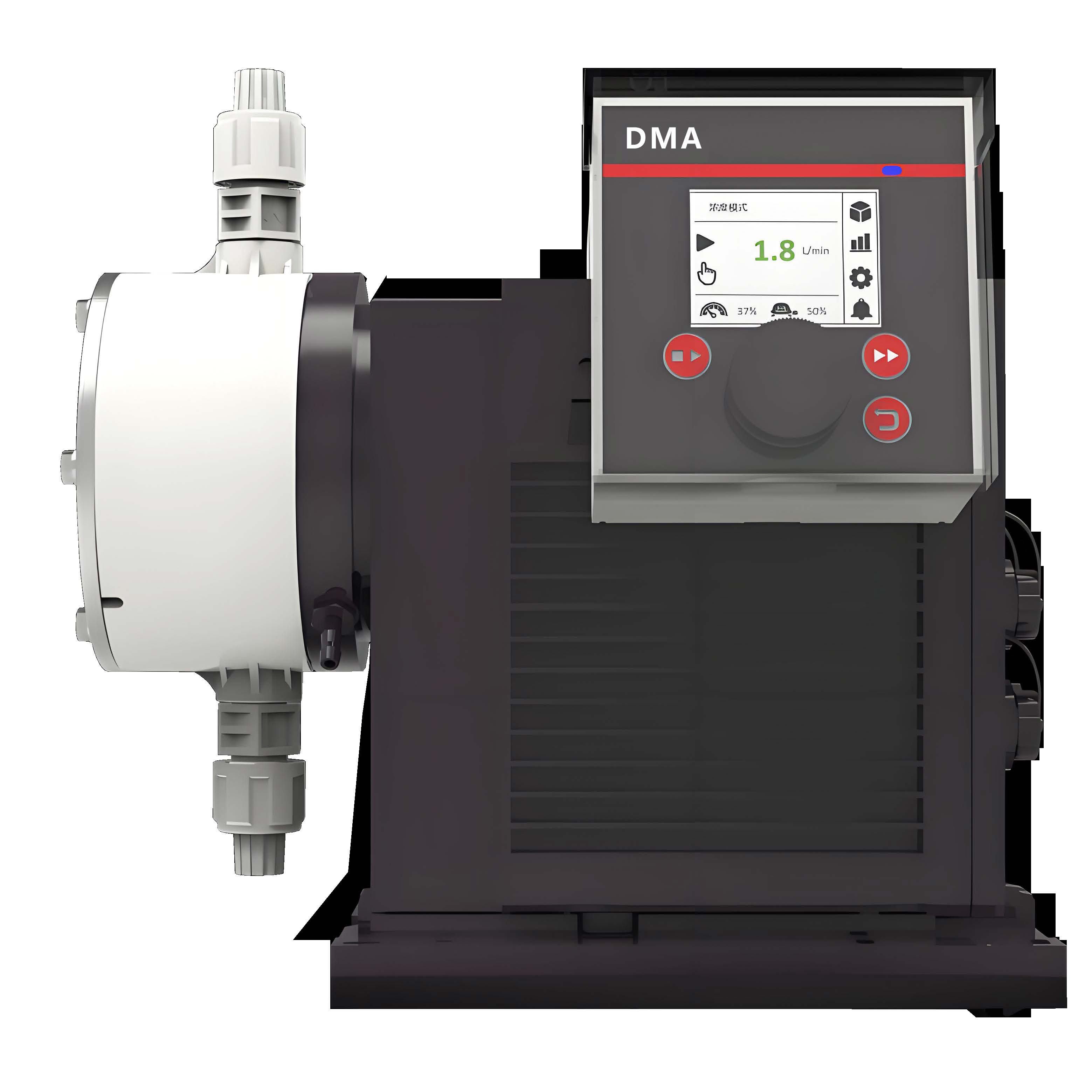
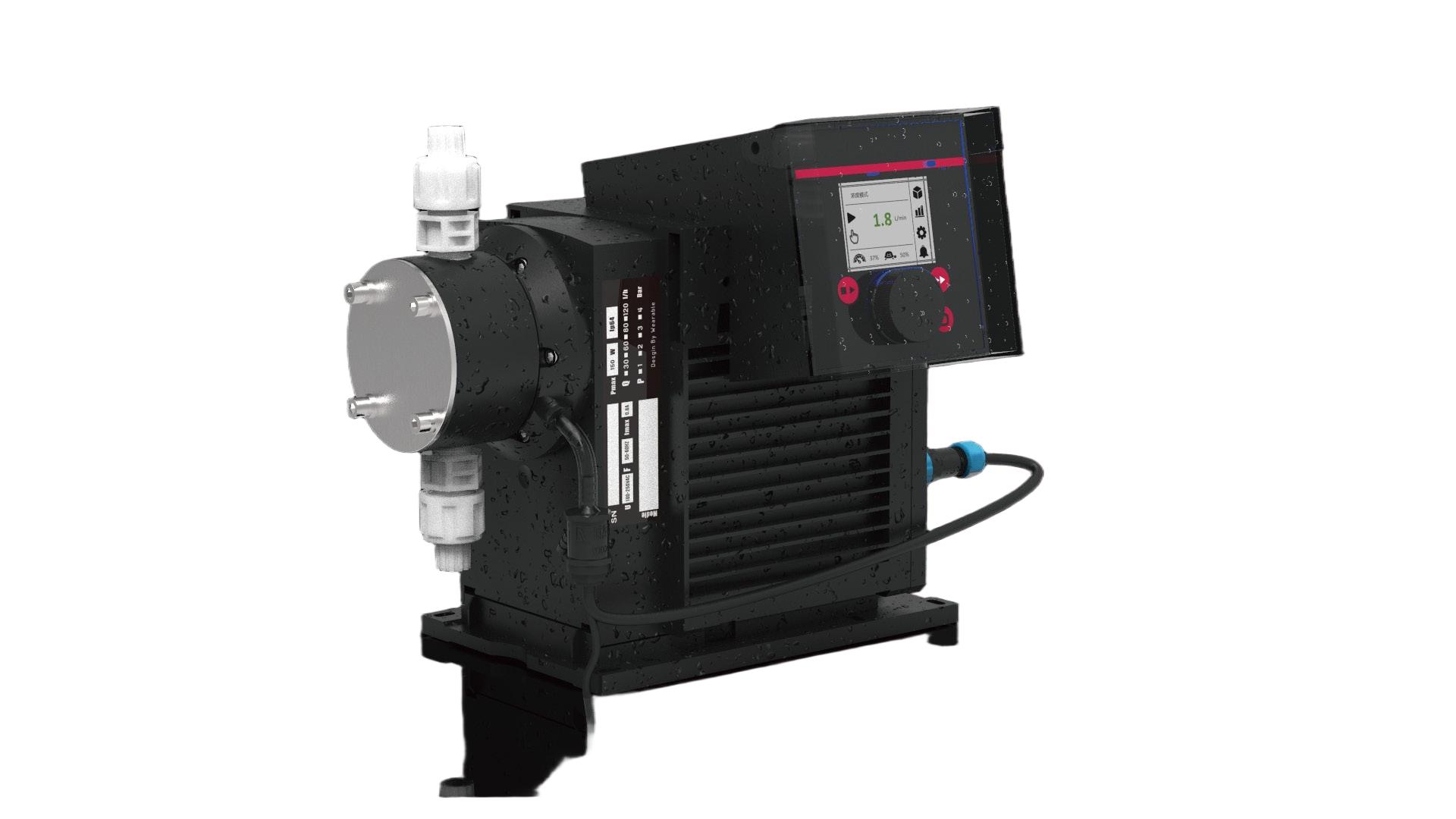
High Accuracy Digital Dosing Pump DMA
Our signature smart products,WilChy DMA Digital Dosing Pump, features 0.2% high output accuracy and maximum turndown ratio, with a wide flow range. Adopting modular design, it supports 10s quick install. Corrosion-resistant material and IP65 waterproof, perfect for water treatment, chemical smelting, new energy, and automotive manufacturing.
- Product details
-
Core product features
Features Specific content High metering accuracy Output accuracy up to ±0.2%, repeat accuracy ±0.1~1%FS, 18K resolution, high-speed pulse control ensures precise flow, and PID control supports quantitative delivery. Volume and cost optimization 80% volume reduction, 60% comprehensive cost saving, with outstanding cost performance. Modular design Fully modular integration, quick-install base for disassembly and installation in only 10 seconds, easy to install and support function expansion, IP65 waterproof design. Intelligent monitoring Supports WIFI/4G wireless remote monitoring, enabling PH, liquid level and concentration detection, real-time pipeline pressure monitoring, diaphragm LDC-technology conductivity monitoring (crack alarm), and can also count reports, shift consumption, wearing part life and fault alarm. Strong adaptability Supports multiple working modes and delivery strategies, capable of conveying high-viscosity liquids; equipped with various external control interfaces such as current, voltage, Modbus, ProfiBus-DP and pulse, with a maximum turndown ratio of 1:15666. Durable and anti-clogging Service life of wearing parts is longer than traditional dosing pumps, built-in flushing function for anti-clogging, and the hydraulic end adopts corrosion-resistant materials such as zirconia, PTFE and UPVC/PP. Detailed design Timed on/off function, the pressure difference at the inlet and outlet can be increased by a back pressure valve, and the material of the flow parts can be optional to expand the medium temperature range. Comparison Table of Main Parameters
Model Series Max Flow (L/h) Minimum Output Flow (L/h) Max Output Pressure (Bar) Accuracy (% FS) Rated Power (W) Pipe Diameter (mm) Max Conveying Viscosity (CP) DMA 15-10 15 0.015 10 ±0.1-0.5 120 12*8 1500 DMA 30-08 30 0.03 8 ±0.1-0.5 120 12*8 1500 DMA 42-07 42 0.06 7 ±0.1-0.5 120 12*8 1500 DMA 60-04 60 0.06 4 ±0.1-0.5 120 12*8 1500 DMA 90-03 90 0.06 3 ±0.1-0.5 120 DN15 1500 DMA 90-10 90 0.06 10 ±0.5~1 150 DN15 1500 DMA 120-05 120 0.06 5 ±0.5~1 150 DN15 1500 DMA 200-04 200 0.06 4 ±0.5~1 150 DN25 1500 DMA 375-10 375 0.06 10 ±1 150 DN25 1500 DMA 450-06 450 0.06 6 ±1 150 DN25 1500 DMA 940-04 940 0.06 4 ±1 150 DN25 1500 General Parameters Conveying/Operating Temp: 0-45℃ Max Operating Altitude: 3200m Max Lift (Standard Install): 3m Max Viscosity: 100CP(Standard)/800CP(50% slow)
related products
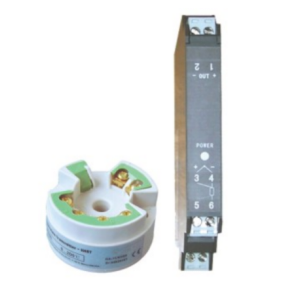
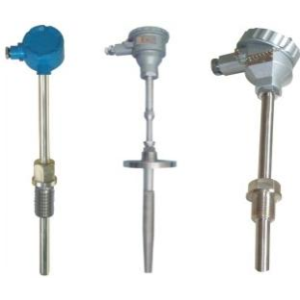
Product Inquiry
Please leave your message, we will contact you quickly after receiving it, thank you for your support!
Q
What is a thermocouple?
A
Thermocouples: The Champion in High-Temperature Applications
Thermocouples are the preferred solution for extreme temperature applications. They consist of two dissimilar metal wires joined at the measuring end, generating a voltage proportional to the temperature difference.
Working Principle: When two different metals are connected, the thermoelectric effect produces a voltage at the junction. This voltage increases with rising temperature, allowing measurement via reference tables.
Key Advantages:
• Temperature Range: -270°C to 2300°C (depending on type)
• Fast Response Time (typically 0.1–10 seconds)
• Robust Construction, vibration-resistant
• Relatively Low Cost
• No External Power Required
Thermocouples are the preferred solution for extreme temperature applications. They consist of two dissimilar metal wires joined at the measuring end, generating a voltage proportional to the temperature difference.
Working Principle: When two different metals are connected, the thermoelectric effect produces a voltage at the junction. This voltage increases with rising temperature, allowing measurement via reference tables.
Key Advantages:
• Temperature Range: -270°C to 2300°C (depending on type)
• Fast Response Time (typically 0.1–10 seconds)
• Robust Construction, vibration-resistant
• Relatively Low Cost
• No External Power Required
Q
What is the difference between RTD and thermocouple?
A
Principles
• RTD (Resistance Temperature Detector): Based on the principle that a metal conductor's resistance increases with temperature, it converts resistance measurements into temperature readings.
• Thermocouple: Operates on the Seebeck effect, where two dissimilar metals in contact generate a thermoelectric voltage proportional to temperature differences.
Features
• RTD: High accuracy, stable signal, excellent linearity, ideal for low to medium temperatures.
• Thermocouple: Simple structure, fast response, high-temperature resistance, wide measurement range.
Pros & Cons
• RTD Pros: High precision, strong anti-interference, reliable low-temperature performance.
Cons: Limited upper temperature range, bulkier size, slightly slower response.
• Thermocouple Pros: Broad temperature range, high-temperature tolerance, rapid response, suitable for moving/surface measurements.
Cons: Lower accuracy at low temperatures, requires cold junction compensation, weaker signal prone to interference.
• RTD (Resistance Temperature Detector): Based on the principle that a metal conductor's resistance increases with temperature, it converts resistance measurements into temperature readings.
• Thermocouple: Operates on the Seebeck effect, where two dissimilar metals in contact generate a thermoelectric voltage proportional to temperature differences.
Features
• RTD: High accuracy, stable signal, excellent linearity, ideal for low to medium temperatures.
• Thermocouple: Simple structure, fast response, high-temperature resistance, wide measurement range.
Pros & Cons
• RTD Pros: High precision, strong anti-interference, reliable low-temperature performance.
Cons: Limited upper temperature range, bulkier size, slightly slower response.
• Thermocouple Pros: Broad temperature range, high-temperature tolerance, rapid response, suitable for moving/surface measurements.
Cons: Lower accuracy at low temperatures, requires cold junction compensation, weaker signal prone to interference.