English
 简体中文
简体中文 Deutsch
 Español
Product
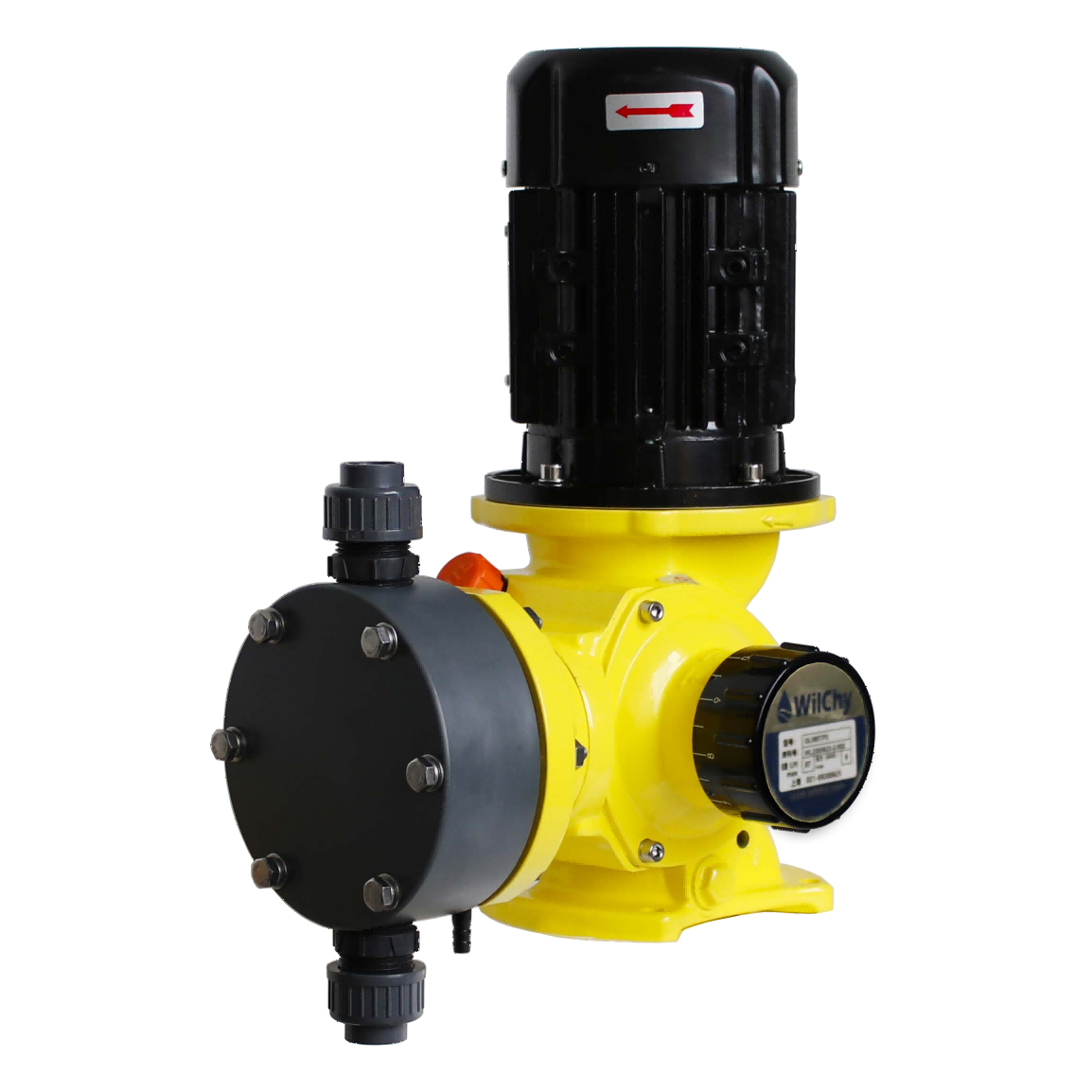
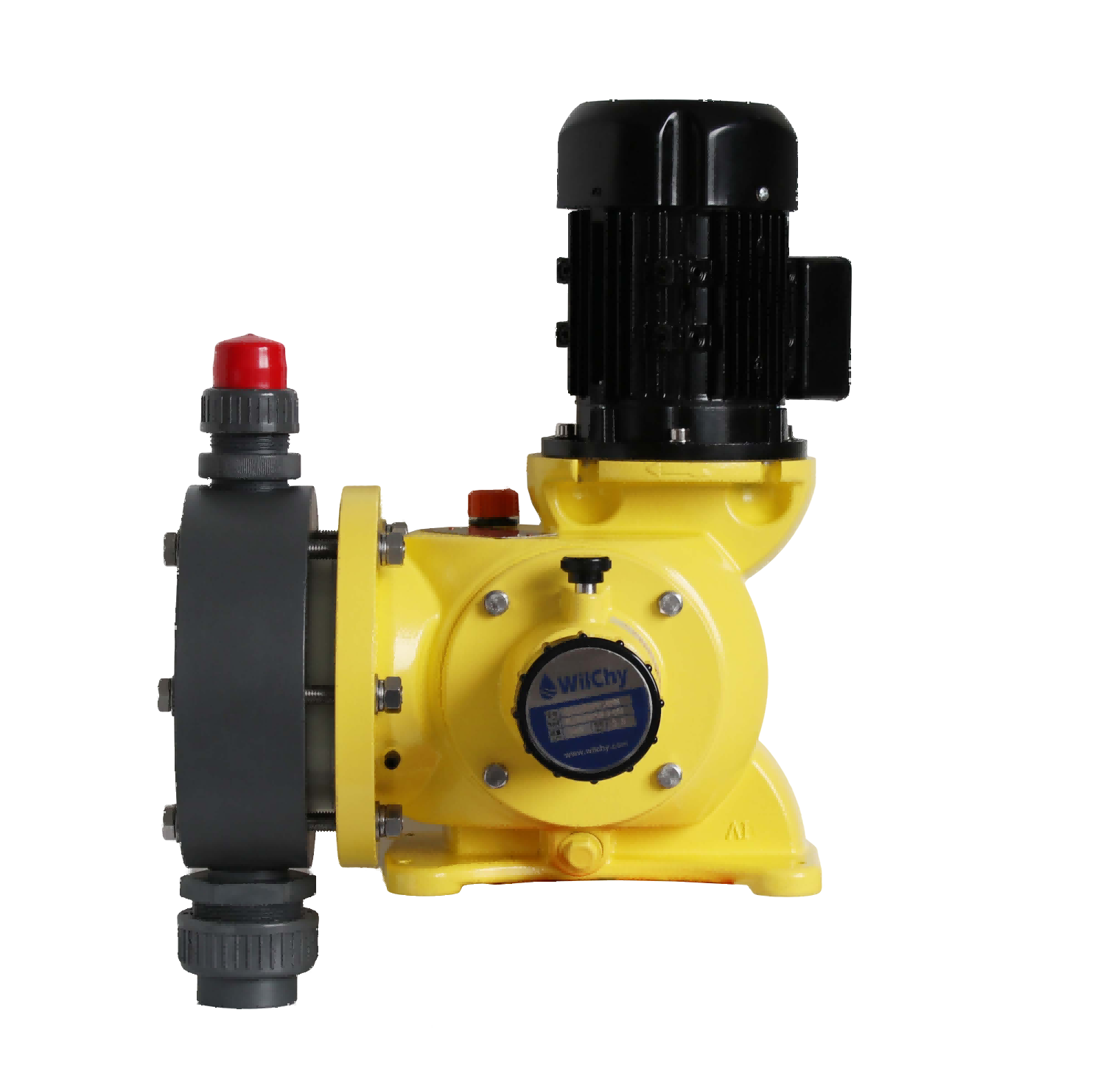
MA/MB Type Mechanical Diaphragm Metering Pump
- Product details
-
Core Performance Parameters
Parameter Item Specific Index Parameter Item Specific Index Max Single-Head Flow 1800L/H Max Discharge Pressure 12bar Flow Adjustment Ratio 10:1 Steady-State Accuracy ±2% Suction Lift Height 3m water column Max Inlet Pressure 2bar Max Tolerable Material Temperature 40℃ Core Structural Features
Structural Part Core Advantages & Configuration Hydraulic End Mechanically driven diaphragm (no guard plate for smooth material flow); Multi-material pump heads (PVC/PVDF/316SS, suitable for normal/ high-viscosity/slurry materials); Self-cleaning check valve structure Drive End Variable eccentric mechanism (smooth flow pulsation); Reinforced structure (for harsh working conditions); Wear-resistant ball bearings (stable operation); Oil bath lubrication (extends drive component life); Flow adjustable in stop/operation state Core Application Scenarios
Municipal water treatment, industrial water/wastewater treatment, swimming pool water treatment and other water treatment dosing processes.
Optional Configurations
Double diaphragm pump head: Equipped with rupture pressure gauge detection & pressure switch detection.
Stroke counting sensor: Support PNP/NPN/relay output.
related products
Polyethylene Insulated Computer Cables
300/500V AC PE/XLPE insulated instrument...
Diaphragm pressure gauge with isolated d...
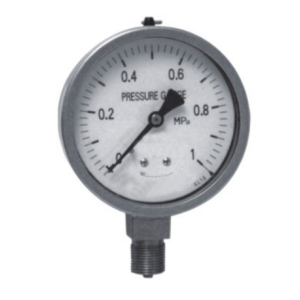
Stainless Steel Pressure Gauge
Stainless steel pressure gauge with SUS3...
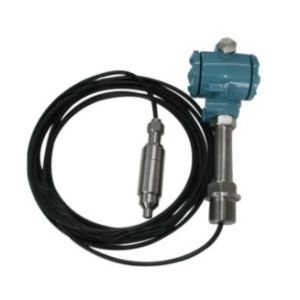
311 Series Submersible Hydrostatic Level Transmitter
311 Series Submersible Hydrostatic Level...
Product Inquiry
Please leave your message, we will contact you quickly after receiving it, thank you for your support!
Q
What is a thermocouple?
A
Thermocouples are the preferred solution for extreme temperature applications. They consist of two dissimilar metal wires joined at the measuring end, generating a voltage proportional to the temperature difference.
Working Principle: When two different metals are connected, the thermoelectric effect produces a voltage at the junction. This voltage increases with rising temperature, allowing measurement via reference tables.
Key Advantages:
• Temperature Range: -270°C to 2300°C (depending on type)
• Fast Response Time (typically 0.1–10 seconds)
• Robust Construction, vibration-resistant
• Relatively Low Cost
• No External Power Required
Q
What is the difference between RTD and thermocouple?
A
• RTD (Resistance Temperature Detector): Based on the principle that a metal conductor's resistance increases with temperature, it converts resistance measurements into temperature readings.
• Thermocouple: Operates on the Seebeck effect, where two dissimilar metals in contact generate a thermoelectric voltage proportional to temperature differences.
Features
• RTD: High accuracy, stable signal, excellent linearity, ideal for low to medium temperatures.
• Thermocouple: Simple structure, fast response, high-temperature resistance, wide measurement range.
Pros & Cons
• RTD Pros: High precision, strong anti-interference, reliable low-temperature performance.
Cons: Limited upper temperature range, bulkier size, slightly slower response.
• Thermocouple Pros: Broad temperature range, high-temperature tolerance, rapid response, suitable for moving/surface measurements.
Cons: Lower accuracy at low temperatures, requires cold junction compensation, weaker signal prone to interference.