English
 繁体中文
繁体中文 简体中文
简体中文 Deutsch
Product
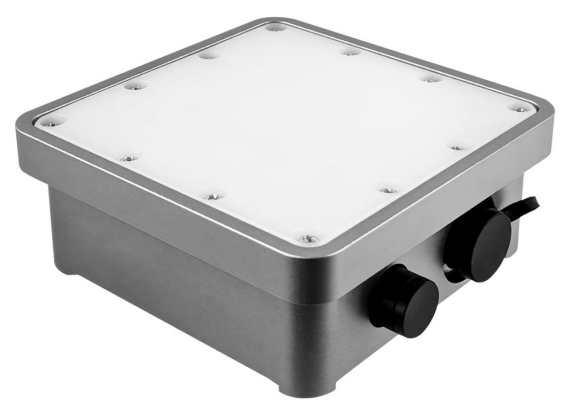
Radar Current Meter (24GHz)
- Product details
-
Parameter
Specification
Process Connection
Bracket
Central Transmission Frequency
24.15GHz
Transmission Angle
12°*25°
Measuring Range
0.1m/s~25m/s
Housing Material
Aluminum Alloy
Communication Method
RS485/Modbus, Bluetooth
Medium Temperature
-20~80°C
Dimensions (mm)
110x110x45
Measuring Accuracy
±0.01m/s
Protection Grade
IP68
Power Supply Range
9~28VDC
Application Range
Flow velocity detection of natural rivers and irrigation canals, can be combined with water level detection for hydrological monitoring
related products
Product Inquiry
Please leave your message, we will contact you quickly after receiving it, thank you for your support!
Q
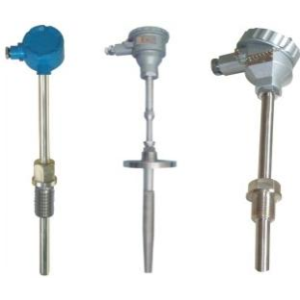
What is a thermocouple?
A
Thermocouples are the preferred solution for extreme temperature applications. They consist of two dissimilar metal wires joined at the measuring end, generating a voltage proportional to the temperature difference.
Working Principle: When two different metals are connected, the thermoelectric effect produces a voltage at the junction. This voltage increases with rising temperature, allowing measurement via reference tables.
Key Advantages:
• Temperature Range: -270°C to 2300°C (depending on type)
• Fast Response Time (typically 0.1–10 seconds)
• Robust Construction, vibration-resistant
• Relatively Low Cost
• No External Power Required
Q
What is the difference between RTD and thermocouple?
A
• RTD (Resistance Temperature Detector): Based on the principle that a metal conductor's resistance increases with temperature, it converts resistance measurements into temperature readings.
• Thermocouple: Operates on the Seebeck effect, where two dissimilar metals in contact generate a thermoelectric voltage proportional to temperature differences.
Features
• RTD: High accuracy, stable signal, excellent linearity, ideal for low to medium temperatures.
• Thermocouple: Simple structure, fast response, high-temperature resistance, wide measurement range.
Pros & Cons
• RTD Pros: High precision, strong anti-interference, reliable low-temperature performance.
Cons: Limited upper temperature range, bulkier size, slightly slower response.
• Thermocouple Pros: Broad temperature range, high-temperature tolerance, rapid response, suitable for moving/surface measurements.
Cons: Lower accuracy at low temperatures, requires cold junction compensation, weaker signal prone to interference.